Introduction
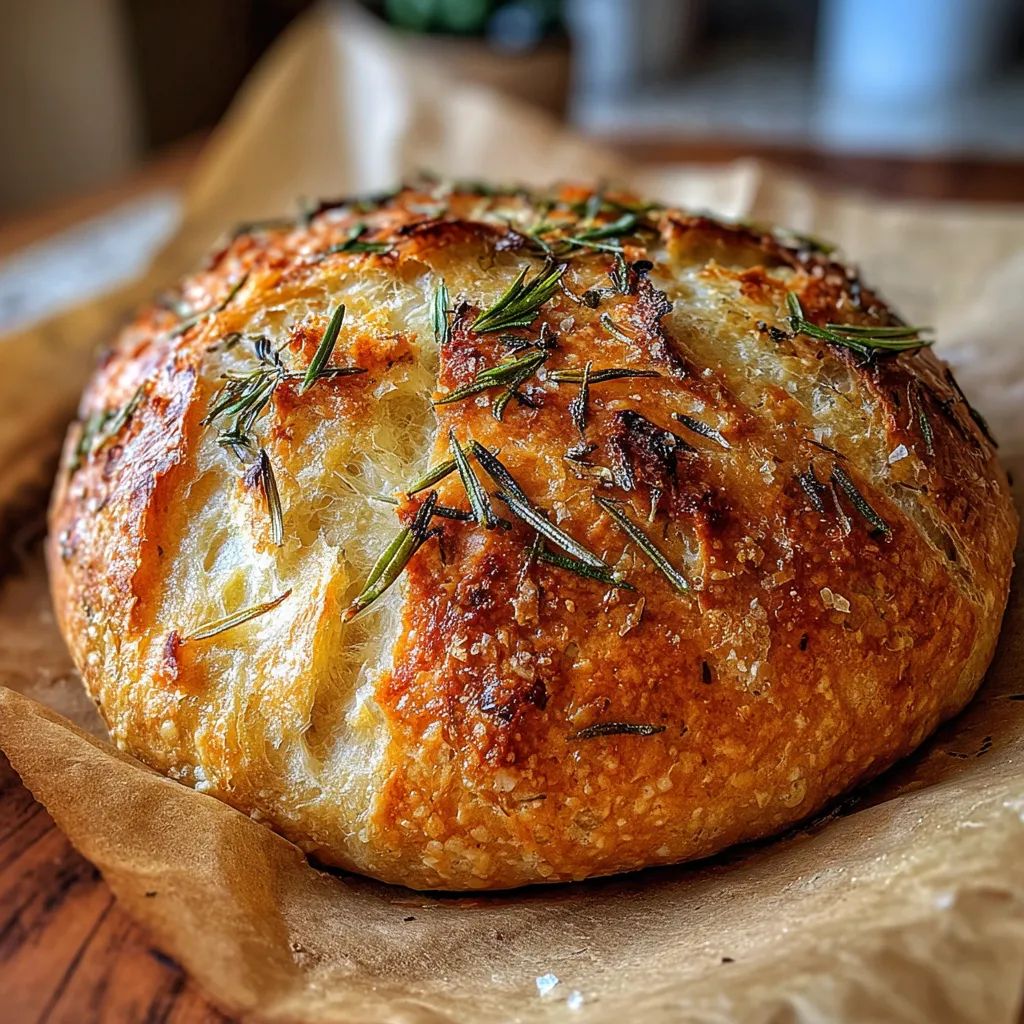
There is something truly special about the smell of freshly baked bread filling your kitchen. When that bread is a Rosemary Garlic Sourdough, the aroma becomes even more inviting. This recipe brings together the natural tang of sourdough with the deep flavor of roasted garlic and the fresh, earthy scent of rosemary. It is a beautiful blend of rustic simplicity and gourmet delight. Each bite is filled with texture, taste, and warmth, making it a comforting experience that feels like home.
People all around the world love sourdough bread because of its unique flavor and chewy texture. When you add rosemary and garlic to it, the taste becomes more complex and fragrant. The crust turns perfectly golden while the inside stays soft and airy. Every slice feels hearty yet delicate. This combination makes it perfect for sandwiches, soups, and even as a snack with butter or olive oil. Many people also love sourdough because it is easier to digest than regular bread, thanks to its natural fermentation process.
This Rosemary Garlic Sourdough Bread is the kind of recipe you make when you want something nourishing and aromatic at the same time. It is ideal for weekends when you have a bit more time to bake or for special gatherings when you want to impress guests with something homemade. The earthy rosemary, combined with roasted garlic, creates a soothing and rich taste that fits any season. Whether you are making it for a cozy winter dinner or a sunny outdoor meal, this bread adds warmth and flavor to every occasion.
Ingredients You Will Need
Here is everything you will need to make a perfect loaf of Rosemary Garlic Sourdough Bread. Be sure to measure the ingredients properly for the best results.
-
500 grams bread flour
-
100 grams whole wheat flour
-
350 grams water at room temperature
-
100 grams active sourdough starter (fed and bubbly)
-
10 grams fine sea salt
-
2 tablespoons olive oil
-
3 tablespoons chopped fresh rosemary (or 1 tablespoon dried rosemary)
-
5 to 6 cloves roasted garlic, mashed or finely chopped
-
Extra flour for dusting the surface
Step by Step Method
Making sourdough bread takes time, but it is a beautiful process that rewards your patience. Follow these simple steps carefully. Even if you are new to baking, you can make this bread successfully.
Step 1: Feed Your Starter
Before you begin, make sure your sourdough starter is active and bubbly. Feed it a few hours before baking by mixing equal parts of flour and water. When it doubles in size and forms small bubbles, it is ready to use. This will ensure your bread rises well and develops the best flavor.
Step 2: Mix the Dough
In a large mixing bowl, combine the bread flour and whole wheat flour. Add the water and mix with your hands or a wooden spoon until all the flour is hydrated. The dough will look rough and sticky at this stage, which is completely normal. Cover the bowl with a clean towel and let it rest for about 30 minutes. This rest period is called autolyse and it helps the gluten form naturally.
Step 3: Add Starter and Salt
After the rest time, add your active sourdough starter and salt to the dough. Gently mix them in by folding the dough over itself several times. You can also squeeze the dough lightly with your fingers to help everything combine evenly. The dough will still be sticky, but it should start to feel more elastic.
Step 4: Add Olive Oil, Garlic, and Rosemary
Now drizzle in the olive oil, add the mashed roasted garlic, and sprinkle in the chopped rosemary. Fold these ingredients gently into the dough until they are well distributed. The garlic and rosemary will release their aroma as you work them in, filling your kitchen with a beautiful scent.
Step 5: Bulk Fermentation
Cover the bowl again and let the dough rest at room temperature for 4 to 5 hours. During this time, the dough will rise and become airy. Every 30 minutes during the first two hours, perform a stretch and fold. To do this, grab one side of the dough, stretch it up, and fold it over the rest of the dough. Turn the bowl and repeat this on all sides. This technique strengthens the gluten without kneading.
Step 6: Shape the Dough
Once the dough has grown in size and feels light and puffy, transfer it onto a floured surface. Shape it gently into a round ball or an oval shape, depending on your baking vessel. Handle the dough softly to keep the air bubbles intact. Place the shaped dough into a floured proofing basket or a bowl lined with a floured kitchen towel.
Step 7: Second Rise (Proofing)
Cover the dough and let it proof in the refrigerator overnight or for at least 8 to 12 hours. The slow fermentation helps develop a deep flavor and a perfect texture. When you are ready to bake, take it out of the fridge and let it sit at room temperature for about 30 to 60 minutes.
Step 8: Preheat the Oven
Place your Dutch oven with its lid inside your oven and preheat it to 230°C (450°F). Heating the pot before baking helps create steam, which gives the bread a crisp crust.
Step 9: Score the Bread
Carefully remove the hot Dutch oven from the oven. Take the dough out of the basket and place it on parchment paper. Use a sharp knife or bread lame to make a shallow cut on top of the dough. This scoring allows the bread to expand while baking.
Step 10: Bake
Place the dough (on the parchment paper) into the hot Dutch oven and cover it with the lid. Bake for 25 minutes covered, then remove the lid and bake for another 20 to 25 minutes until the crust turns deep golden brown. The smell of rosemary and garlic will fill your home, making it hard to wait.
Step 11: Cool and Serve
Remove the bread from the oven and place it on a wire rack. Let it cool completely before slicing. Cutting it too early can make the texture gummy. Once cooled, slice and enjoy your beautiful Rosemary Garlic Sourdough Bread with butter, soup, or a drizzle of olive oil.
Why This Recipe Is Special
This recipe stands out because it combines three amazing things in one loaf: sourdough, garlic, and rosemary. Sourdough is known for being healthier than regular bread since it goes through a natural fermentation process that breaks down gluten and makes nutrients easier to absorb. The result is a bread that is more gentle on the stomach and often easier to digest.
Garlic brings a deep savory flavor and is packed with antioxidants that support your immune system. Roasted garlic, in particular, adds a sweet and buttery taste without being sharp or strong. Rosemary gives a refreshing herbal aroma that can help calm the mind and improve focus. Together, these ingredients make a loaf that not only tastes incredible but also brings small health benefits to your table.
Another reason this recipe is special is the connection it creates. Baking sourdough is a slow, mindful activity. It teaches patience and care. Watching your dough rise, smelling it bake, and finally cutting into it creates a sense of satisfaction that few other recipes can offer. Every slice you eat reminds you of the time and love you put into it.
Extra Tips for Better Taste
Here are some useful tips to make your Rosemary Garlic Sourdough Bread even more flavorful and impressive.
-
Use Fresh Ingredients: Always use fresh rosemary and fresh garlic if possible. The aroma of fresh herbs makes a big difference compared to dried ones.
-
Roast the Garlic Properly: Roast the garlic until it turns soft and slightly golden. This will give your bread a rich, mild sweetness instead of a sharp garlic bite.
-
Experiment with Flavors: You can add a sprinkle of sea salt or black pepper on top before baking for an extra flavor kick. A handful of grated cheese mixed into the dough also creates a delicious twist.
-
Control the Hydration: If your dough feels too sticky, you can reduce the water slightly next time. However, a slightly wet dough makes a more open crumb and softer texture.
-
Bake in a Dutch Oven: This helps trap steam during baking, giving your bread a perfect crust. If you do not have a Dutch oven, place a metal tray of hot water in the oven to create steam.
-
Be Patient: Do not rush the process. The magic of sourdough comes from slow fermentation. The longer you let it rise (without overproofing), the deeper the flavor will be.
-
Storage Tip: Store the bread at room temperature wrapped in a clean cloth or inside a paper bag. Avoid plastic because it makes the crust soft. You can also freeze slices for later use.
Final Thoughts
Rosemary Garlic Sourdough Bread is more than just food. It is an experience of warmth, patience, and flavor. Every step of the process teaches you to slow down and enjoy the simple act of creating something with your hands. When the bread comes out of the oven, golden and fragrant, you feel proud knowing that you made it from scratch.
This bread pairs beautifully with soups, stews, salads, or even as a snack with olive oil. It makes an excellent gift or centerpiece for a family dinner. The earthy rosemary and roasted garlic make it taste elegant and comforting at the same time. Once you bake it once, you will find yourself coming back to it again and again.
Whether you are an experienced baker or a beginner, this recipe will make you fall in love with homemade sourdough all over again. It is simple, natural, and full of goodness in every bite.
Nutrition Details
| Nutrient | Per Loaf (approx.) | Per Serving (1 Slice) |
|---|---|---|
| Calories | 1500 kcal | 120 kcal |
| Carbohydrates | 280 g | 22 g |
| Protein | 55 g | 4 g |
| Fat | 25 g | 2 g |
| Fiber | 12 g | 1 g |
| Sugar | 2 g | 0.2 g |
| Sodium | 1800 mg | 140 mg |
| Iron | 10 mg | 0.8 mg |
| Calcium | 90 mg | 7 mg |
Note: These values are approximate and may vary based on ingredient brands and portion sizes.
Disclaimer
This recipe is shared for general information and enjoyment. Everyone’s body is different, and results may vary based on your diet, health condition, and portion size. If you have specific health concerns, allergies, or dietary needs, please consult a healthcare professional before making changes to your diet.