Introduction
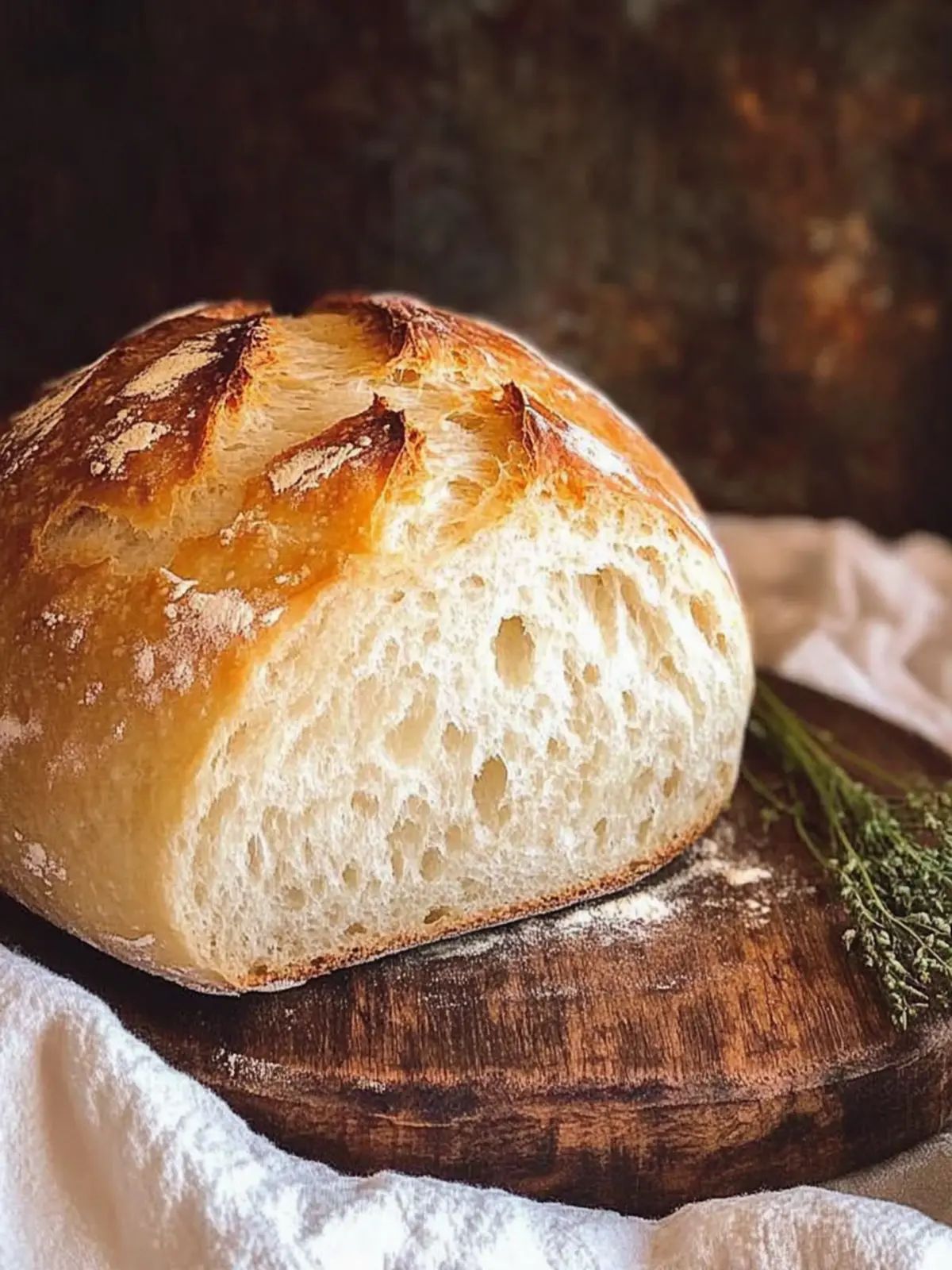
Mastered crunchy sourdough is all about making a bread that feels alive, warm, and full of care. This recipe focuses on creating a loaf with a deep golden crust that makes a loud crunchy sound when you tap it, while the inside stays soft, airy, and gently chewy. It uses natural fermentation from a sourdough starter, which means no commercial yeast and no rush. Everything happens slowly, giving the flour and water enough time to change into something truly special. This recipe is not only about baking bread, but also about enjoying the calm process and learning how simple ingredients can turn into something amazing.
People love mastered crunchy sourdough because it feels homemade in the best way. The smell alone can fill the whole house with comfort and warmth. When the bread comes out of the oven, the crust crackles as it cools, and that sound makes many bakers smile with pride. The taste is rich, slightly tangy, and full of depth that store bread cannot match. Many people also enjoy the feeling of achievement when they cut into their first successful loaf. It feels like a small victory and a reminder that slow food is often the most rewarding food.
This is a great recipe to make when you want to slow down and do something with your hands and heart. It is perfect for weekends, family mornings, or quiet evenings when you want to bake something meaningful. Many people also choose sourdough for health and digestion reasons because long fermentation can be easier on the stomach. Others make it for emotional comfort, enjoying the ritual of feeding the starter and shaping the dough. No matter the reason, mastered crunchy sourdough brings joy, flavor, and a deep sense of satisfaction to your kitchen.
Ingredients You Will Need
-
Bread flour 500 grams
-
Active sourdough starter 100 grams
-
Clean water 350 milliliters
-
Fine sea salt 10 grams
Step by Step Method
-
Start by making sure your sourdough starter is active and bubbly. Feed it several hours before you plan to bake. It should look airy, smell fresh, and double in size. This step is important because the starter is what makes the bread rise.
-
In a large bowl, add the bread flour and water. Mix gently with your hand or a spoon until no dry flour remains. The dough will look rough and sticky. Cover the bowl and let it rest for thirty minutes. This resting time helps the flour absorb the water and improves the texture of the bread.
-
After resting, add the active sourdough starter and salt to the dough. Use your hand to squeeze and fold the dough until everything is well mixed. The dough will feel wet but should start to come together.
-
Cover the bowl again and let the dough rest for another thirty minutes. After that, begin the first set of folds. To fold, grab one side of the dough, stretch it gently upward, and fold it over itself. Turn the bowl and repeat until you have done four folds.
-
Let the dough rest for thirty minutes, then repeat the folding process. Do this a total of four times, resting between each round. These folds build strength in the dough without heavy kneading.
-
After the final fold, cover the bowl and let the dough rise at room temperature. This stage can take four to six hours depending on the warmth of your kitchen. The dough should grow in size and look puffy, with small bubbles on the surface.
-
Once the dough has risen, lightly flour your work surface. Gently turn the dough out onto the surface, being careful not to press out the air. Shape it into a round by folding the edges toward the center.
-
Let the shaped dough rest uncovered for twenty minutes. This helps the dough relax and makes final shaping easier.
-
After resting, shape the dough again to create tension on the surface. Place the dough seam side up into a floured proofing basket or bowl lined with a clean towel.
-
Cover and let the dough proof. You can leave it at room temperature for one to two hours or place it in the refrigerator overnight for deeper flavor.
-
When ready to bake, preheat your oven to very hot, around two hundred thirty degrees Celsius. Place a heavy pot or baking vessel inside the oven to heat as well.
-
Carefully remove the hot pot from the oven. Gently place the dough inside seam side down. Use a sharp blade to score the top of the dough. This allows the bread to expand while baking.
-
Cover the pot and bake for twenty minutes. Then remove the lid and bake for another twenty to thirty minutes until the crust is deep golden and very crunchy.
-
Remove the bread from the oven and place it on a cooling rack. Let it cool completely before slicing. This step is hard but important because the bread continues to cook inside as it cools.
Why This Recipe Is Special
Mastered crunchy sourdough is special because it uses time instead of shortcuts. The long fermentation helps develop strong flavor and a beautiful texture. Many people find sourdough easier to digest because the natural process breaks down parts of the flour.
The crunchy crust and soft center create a perfect balance that feels satisfying with every bite. You can enjoy it plain, with butter, or as a base for sandwiches and toast. It also stays fresh longer than regular bread.
This recipe is also special because it connects you to traditional baking methods used for generations. Making sourdough can feel calming and grounding, turning baking into a mindful experience rather than a rushed task.
Extra Tips for Better Taste
Use good quality flour because it affects flavor and structure. Fresh flour often gives better results.
Keep your starter healthy by feeding it regularly. A strong starter makes better bread.
Do not rush the rise. Let the dough tell you when it is ready instead of watching the clock.
Bake until the crust is deeply colored. A darker crust often means better flavor.
Let the bread cool fully before cutting to protect the texture.
Final Thoughts
Mastered crunchy sourdough is more than just bread. It is a journey of patience, care, and simple joy. Each loaf teaches you something new and brings a sense of pride when you hear that crunchy crust crackle. With practice, this recipe can become a comforting part of your routine, filling your home with warmth and happiness.
Nutrition Details
Nutrition information is approximate and based on one serving.
Calories per serving
Around 180 calories
Carbohydrates
Approximately 36 grams
Protein
Approximately 6 grams
Fat
Approximately 1 gram
Fiber
Approximately 2 grams
Salt
Approximately 0.4 grams
Disclaimer
This recipe is shared for general information and enjoyment. Everyone’s body is different, and how food affects you may vary. Always listen to your body and consult a professional if you have specific health concerns or dietary needs.