Introduction
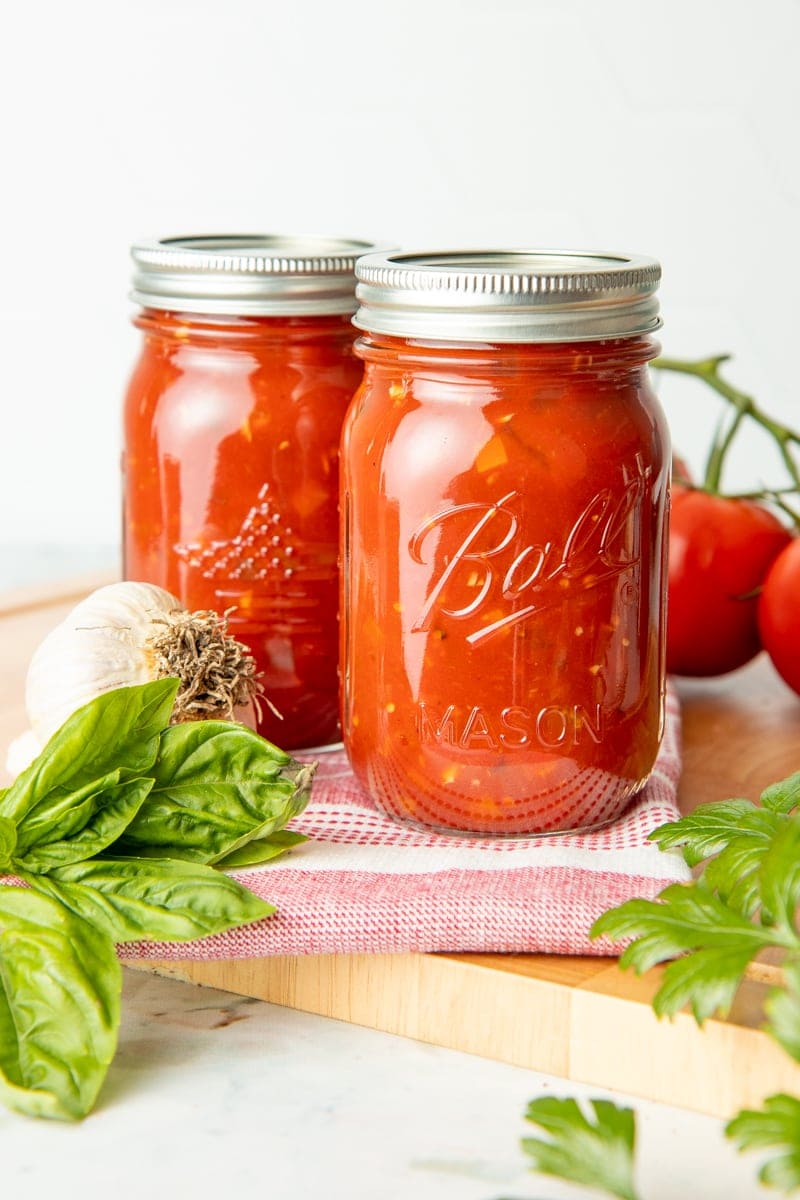
Canning spaghetti sauce is one of the most rewarding things you can do in your kitchen. It is a way to capture the rich flavor of summer tomatoes and keep that taste ready for any meal during the year. Making your own canned spaghetti sauce allows you to control what goes inside the jar, which means you can keep it healthy, fresh, and full of flavor. Many people love this process because it connects them to the old-fashioned art of home cooking. When you open a jar of your homemade sauce in the middle of winter, you can taste the warmth of the sun that once ripened those tomatoes.
People love canning spaghetti sauce because it is simple and satisfying. It saves time in the future when you are too busy to cook from scratch. Once your jars are sealed, you have ready-made sauce for pasta, lasagna, pizza, and many other dishes. The deep aroma of simmered tomatoes, garlic, and herbs fills your kitchen and makes your home feel cozy and welcoming. Many families make it together every year, turning it into a fun tradition. It is a way to pass down family recipes, preserve memories, and share love through food.
You might choose to make this recipe for many reasons. Maybe you grow your own tomatoes and do not want them to go to waste. Maybe you want a healthier version of store-bought sauces, which often contain too much sugar and salt. Or perhaps you want to save money by preparing large batches at home. Whatever your reason, canning spaghetti sauce brings joy, creativity, and satisfaction. It is not only about the final product but also about the comforting process of making something wholesome from scratch.
Ingredients You Will Need
Before you begin, make sure you have all your ingredients ready. Using fresh and high-quality produce will give you the best flavor and color. Here is what you will need to make about 8 to 10 pint jars of spaghetti sauce.
-
Fresh ripe tomatoes: 10 kilograms (around 22 pounds)
-
Olive oil: 120 milliliters (about half a cup)
-
Chopped onions: 2 medium (about 250 grams)
-
Garlic cloves: 8 large, finely minced
-
Carrots: 2 medium, grated (optional for sweetness)
-
Celery: 2 stalks, finely chopped
-
Tomato paste: 250 grams (about 1 cup)
-
Fresh basil leaves: 1 cup, chopped
-
Fresh parsley: half a cup, chopped
-
Dried oregano: 2 tablespoons
-
Dried thyme: 1 tablespoon
-
Sugar: 2 tablespoons (helps balance acidity)
-
Salt: 2 tablespoons (adjust to taste)
-
Black pepper: 1 tablespoon, freshly ground
-
Red chili flakes: 1 teaspoon (optional for heat)
-
Lemon juice or bottled citric acid: 2 tablespoons per jar (for safe canning)
You will also need clean canning jars, new lids, and a large canning pot or water bath canner. Make sure everything is properly sterilized before you start.
Step by Step Method
Canning spaghetti sauce might look complicated, but if you follow these simple steps, you will find it quite easy. Let us go through the process from start to finish.
Step 1: Prepare the Tomatoes
Start by washing all the tomatoes carefully under clean running water. Remove any stems, leaves, or damaged spots. To peel them easily, fill a large pot with water and bring it to a boil. Drop a few tomatoes into the hot water for about 30 seconds, then take them out and place them in a bowl of cold water. The skins will slip off easily. Peel all the tomatoes this way and cut them into small chunks.
Step 2: Cook the Vegetables
In a large pot, heat the olive oil over medium heat. Add the chopped onions, garlic, carrots, and celery. Sauté them slowly until they become soft and fragrant. This step adds a deep, sweet flavor to your sauce. Stir occasionally to make sure nothing burns.
Step 3: Add the Tomatoes
Once the vegetables are tender, add the chopped tomatoes to the pot. Stir everything well. Allow the mixture to simmer on medium heat for about 30 minutes, stirring from time to time. The tomatoes will release their juice and begin to soften completely.
Step 4: Blend the Sauce
When the tomatoes are soft, use an immersion blender to make the sauce smooth. If you do not have one, you can transfer the sauce in batches to a blender, but be careful since it will be hot. Blend until you get a smooth consistency, then return the sauce to the pot.
Step 5: Add Herbs and Seasoning
Now it is time to give your sauce its delicious Italian flavor. Add the tomato paste, basil, parsley, oregano, thyme, sugar, salt, pepper, and red chili flakes. Stir everything well and taste to adjust the seasoning. Let the sauce simmer for another 45 minutes to 1 hour on low heat. The longer it cooks, the richer the flavor becomes. Stir occasionally to prevent sticking.
Step 6: Prepare the Jars
While the sauce is simmering, prepare your canning jars. Wash them with hot soapy water and rinse well. Place them in a large pot of hot water to sterilize for about 10 minutes. Keep the jars warm until you are ready to fill them. Also, place the lids in hot water (not boiling) to soften the seal.
Step 7: Fill the Jars
When the sauce is ready, ladle it carefully into the hot jars, leaving about 1 inch of space at the top. Add 2 tablespoons of lemon juice or a small amount of citric acid to each jar. This helps keep the sauce safe for long-term storage. Wipe the rims with a clean cloth to remove any sauce, then place the lids on top and screw the bands until they are fingertip tight.
Step 8: Process the Jars
Place the filled jars into a water bath canner. Make sure the jars are completely covered with water by at least one inch. Bring the water to a boil and process the jars for 35 to 40 minutes if using pint jars, or 45 minutes for quart jars. Keep the heat steady so the water remains boiling during the entire time.
Step 9: Cool and Store
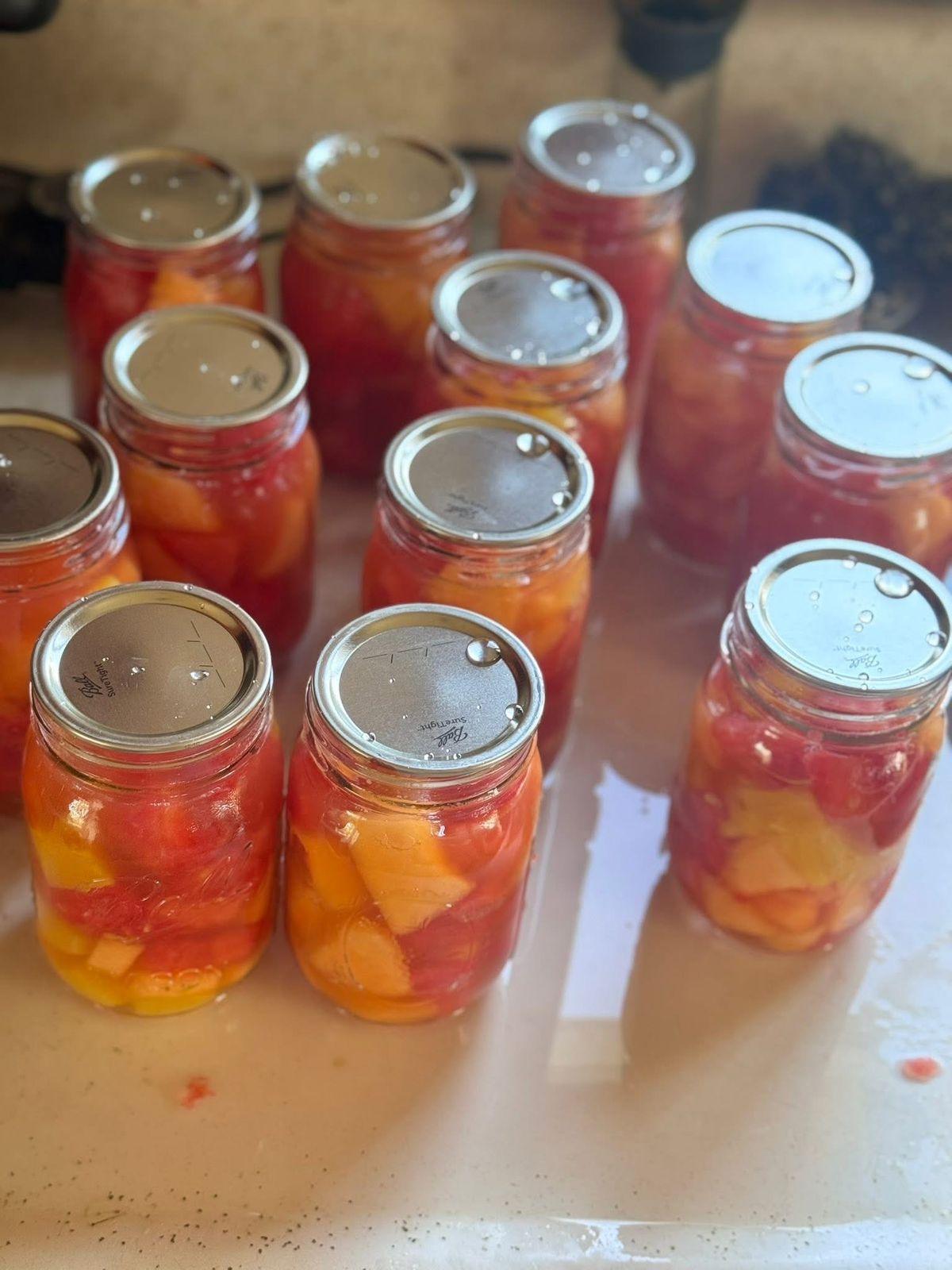
After the processing time, turn off the heat and let the jars sit in the water for 5 minutes. Then carefully remove them and place them on a towel to cool completely. Do not disturb them while they are cooling. You will hear a popping sound as the lids seal, which means your sauce is safely preserved. After 24 hours, check the seals. If any lids did not seal properly, refrigerate those jars and use them within a week. Store the sealed jars in a cool, dark place for up to one year.
Why This Recipe Is Special
This recipe is special because it gives you a sauce that tastes better than anything you can buy from a store. The flavor of freshly cooked tomatoes mixed with garlic, herbs, and olive oil is rich and comforting. You can taste the care and time that went into each jar. It is also a healthier choice since it does not contain preservatives, artificial colors, or excess sugar.
Another reason this recipe stands out is its flexibility. You can adjust the flavor to your taste. Add more herbs for a stronger aroma, or more carrots if you like a hint of sweetness. You can even make it spicy by adding chili flakes or a bit of fresh pepper. It is your sauce, made just the way you like it.
Canning your own spaghetti sauce is also an eco-friendly and cost-saving choice. You reuse jars, reduce packaging waste, and save money by buying fresh ingredients in bulk. Plus, it brings you peace of mind knowing exactly what goes into your food. It is a wholesome, delicious, and practical way to feed your family with love.
Extra Tips for Better Taste
Here are some helpful tips to make your spaghetti sauce taste even better and last longer.
-
Use the freshest tomatoes possible. Choose ripe and firm tomatoes with a bright red color. Avoid green or soft ones as they can make your sauce watery.
-
Add roasted vegetables. Roasting a few of the tomatoes, onions, or garlic before blending them gives a deeper and smokier flavor.
-
Do not skip the acid. Adding lemon juice or citric acid is very important for safe canning. It helps prevent bacteria growth and keeps your sauce shelf stable.
-
Simmer slowly. The longer you cook the sauce, the more the flavors develop. Be patient and let it thicken naturally instead of rushing the process.
-
Blend to your preference. Some people like a smooth sauce while others enjoy a bit of texture. You can choose how much to blend depending on what you like.
-
Add wine or balsamic vinegar for richness. A small splash of red wine or vinegar adds depth to the flavor without overpowering the sauce.
-
Label your jars. Always write the date and contents on your jars before storing them. This helps you keep track of freshness.
-
Store properly. Keep your jars in a cool, dark, and dry place. Avoid sunlight or humid conditions.
-
Try different herbs. Add rosemary, bay leaves, or even a touch of mint to create your own signature flavor.
-
Use the sauce creatively. Besides pasta, this sauce works beautifully on pizza, meatballs, casseroles, and baked vegetables.
Final Thoughts
Canning spaghetti sauce is more than just cooking. It is an act of care, creativity, and tradition. Every jar you fill becomes a small treasure that can turn an ordinary meal into something special. It allows you to enjoy the taste of summer tomatoes even when the weather turns cold. The aroma of simmering sauce, the warmth of the kitchen, and the satisfaction of hearing those jar lids pop make the entire process joyful.
You do not need to be an expert to start canning. With a bit of patience and attention, you can create beautiful jars of homemade spaghetti sauce that your family will love. Whether you are saving your garden harvest or preparing gifts for loved ones, each jar carries a piece of love and effort. Once you start, you might find that canning becomes one of your favorite kitchen hobbies.
So the next time you find yourself surrounded by ripe tomatoes, do not let them go to waste. Turn them into something wonderful. Make this simple yet flavorful spaghetti sauce and fill your pantry with the rich taste of homemade goodness.
Nutrition Details
Here is an approximate nutrition breakdown for this spaghetti sauce recipe. These values are based on one serving of about 125 grams (half a cup).
| Nutrient | Amount per Serving |
|---|---|
| Calories | 90 kcal |
| Total Fat | 3 grams |
| Saturated Fat | 0.5 grams |
| Cholesterol | 0 milligrams |
| Sodium | 240 milligrams |
| Total Carbohydrates | 14 grams |
| Dietary Fiber | 3 grams |
| Sugars | 9 grams |
| Protein | 2 grams |
| Vitamin A | 20 percent of daily value |
| Vitamin C | 30 percent of daily value |
| Iron | 8 percent of daily value |
| Calcium | 4 percent of daily value |
These values can vary slightly depending on the type and quantity of ingredients used. Using fresh vegetables and olive oil keeps this sauce light, nutritious, and suitable for most healthy diets.
Disclaimer
This recipe is meant for general information and enjoyment. Everyone’s body is different, and individual health needs can vary. If you have specific dietary concerns or health conditions, please check with your doctor or a nutrition expert before making changes to your diet. Homemade canned food should always be prepared and stored safely to prevent spoilage or foodborne illness. Follow proper canning guidelines and enjoy your delicious spaghetti sauce responsibly.