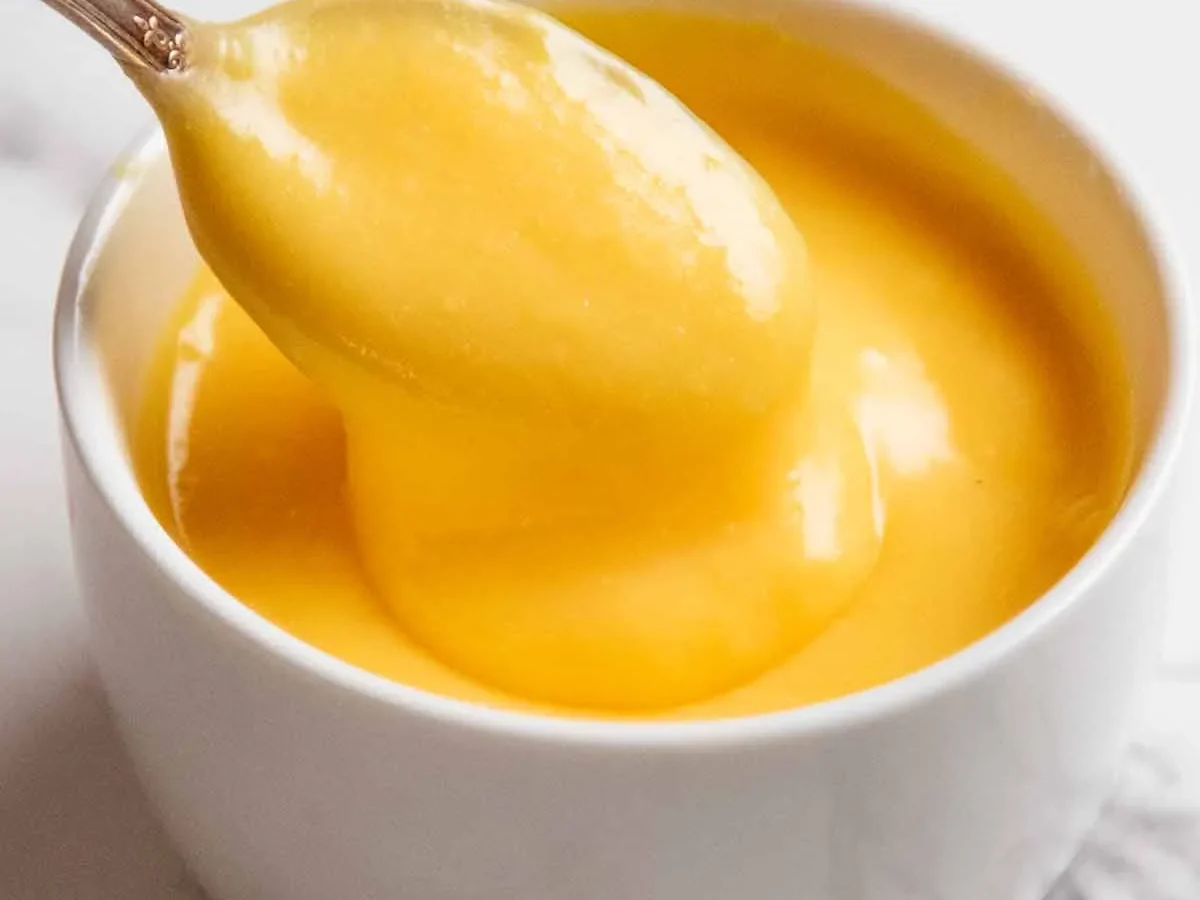
Homemade lemon curd is a wonderfully bright and sunny spread that brings a burst of pure joy to your kitchen table through its smooth texture and incredible citrus flavor. This classic dessert topping is made from simple pantry ingredients including fresh lemons eggs sugar and butter which come together magically on the stove into a velvety custard. When you whisk these basic components gently over heat they transform into a thick and glossy golden mixture that captures the exact essence of fresh citrus fruits. People around the world adore this treat because it strikes the perfect balance between mouth puckering tartness and comforting sweetness making every single spoonful an absolute delight for your taste buds. Unlike heavy frostings or rich chocolate sauces this vibrant spread offers a refreshing lightness that revitalizes your favorite baked goods without ever feeling too heavy or overwhelming.
The deep affection people hold for homemade lemon curd stems from its unmatched ability to elevate ordinary snacks into extraordinary culinary creations with very little effort on your part. If you have ever tasted store bought versions you might notice they often taste overly sweet or artificial lacking the vibrant punch that only freshly squeezed juice can provide. When you make your own batch right at home you control every single element ensuring that the natural oils from the lemon zest shine through brightly in every bite. Families love spreading this golden treasure over warm morning toast filling delicate pastry shells or layering it inside sponge cakes for birthdays and special weekend gatherings. The glossy appearance and luxurious mouthfeel make any dessert look like it came straight from a professional bakery while costing very little to prepare in your own kitchen.
Making this delightful spread is the ultimate way to celebrate the changing seasons or simply brighten up a gloomy afternoon when you need a little extra sunshine in your life. Many home bakers choose to prepare a batch during the spring and summer months when citrus fruits are abundant and people crave crisp and revitalizing flavors after hearty winter meals. Emotionally speaking whisking a pot of homemade curd is a deeply soothing and therapeutic kitchen activity that fills your entire home with the most uplifting and clean aroma imaginable. From a flavor perspective the contrast between the sharp acidity of the fruit and the rich creaminess of the butter creates a complex taste profile that keeps you coming back for just one more bite. Furthermore while it is certainly a sweet treat lemons themselves bring vitamin C and a refreshing character that can make your dessert experience feel vibrant and alive rather than overly heavy.
Whether you are hosting a fancy afternoon tea party for your dearest friends or simply baking a batch of fluffy scones for a cozy Sunday breakfast this recipe is your ultimate secret weapon. Preparing your own curd gives you a profound sense of culinary accomplishment because you watch simple liquid ingredients thicken into a gorgeous glossy spread purely through patience and gentle stirring. It is also a fantastic project to tackle when you want to impress your loved ones with something homemade rather than buying a generic jar from the supermarket shelves. The sheer versatility of this golden delight means you can spoon it over yogurt swirl it into morning oatmeal or use it as a filling for tarts whenever the craving strikes. Once you master this simple cooking method you will find yourself keeping a stash in your refrigerator at all times ready to transform your daily meals into something truly special and memorable.
Ingredients You Will Need
-
Fresh Lemons: Four large and juicy lemons to provide both the zest and fresh juice required for that authentic citrus flavor.
-
Granulated Sugar: One cup of white sugar to sweeten the tart juice and balance the natural acidity of the fruit.
-
Large Eggs: Three whole eggs plus one additional egg yolk to give the curd its rich structure and smooth texture.
-
Unsalted Butter: Half a cup cut into small cubes to add luxurious creaminess and a glossy finish to the warm mixture.
-
Salt: A tiny pinch to enhance all the flavors and bring out the natural brightness of the lemons.
Step by Step Method
Begin your cooking adventure by washing your fresh lemons thoroughly under warm running water to remove any dust or wax from the outer peel. Take a fine grater or microplane and gently grate the bright yellow skin of the lemons to collect about one tablespoon of fresh zest. Be very careful to only scrape the yellow outer layer because the white part underneath tastes bitter and can ruin the wonderful flavor of your finished curd. Cut all your lemons in half and squeeze out the fresh juice until you have about half a cup of liquid juice ready for your recipe. Pour the juice through a small wire mesh strainer into a bowl to catch any stray seeds or pulp ensuring your final spread turns out completely smooth.
Take a medium heatproof glass bowl or a stainless steel mixing bowl and place it over a saucepan filled with a few inches of simmering water to create a gentle double boiler setup. Make sure the bottom of your bowl does not touch the boiling water directly because you want the steam to heat everything very gently without scrambling your eggs. Crack your three whole eggs into the bowl and add the extra egg yolk along with the granulated sugar and the pinch of salt. Whisk these ingredients together vigorously for about one minute until the mixture becomes pale yellow slightly thicker and completely smooth.
Pour your freshly squeezed lemon juice and the grated lemon zest into the egg and sugar mixture while continuing to stir constantly with your wire whisk. Keep the heat on medium low and stir the mixture continuously using a slow and steady motion so that every part of the liquid heats evenly. As the minutes pass you will notice the liquid starting to thicken up and coat the back of your spoon like a velvety custard. This gentle cooking process usually takes about ten to fifteen minutes of patient stirring so do not walk away from the stove during this time.
Once your curd is thick enough to leave a clear trail when you drag your finger across the back of a wooden spoon remove the bowl from the heat source. Drop your small cubes of unsalted butter into the warm mixture one piece at a time while stirring gently with your whisk. The residual heat from the curd will melt the butter completely and blend it into a rich and glossy cream that looks absolutely gorgeous. Pour the finished hot curd through your fine mesh strainer one more time to catch any tiny bits of cooked egg or leftover lemon zest. This extra step guarantees that your homemade creation achieves that silky smooth texture you expect from a high quality gourmet dessert spread.
Transfer your warm lemon curd into clean glass jars with tight fitting lids and let them cool down completely at room temperature for about one hour. Once cooled place the jars into your refrigerator where the curd will continue to chill and thicken even further over the next few hours. Your delicious homemade spread is now fully ready to be enjoyed on toast cakes cookies or whatever sweet treats your heart desires.
Why This Recipe Is Special
This particular recipe stands out from the rest because it focuses on using whole eggs combined with an extra yolk to create a remarkably stable and rich texture without needing any artificial thickeners. Many traditional recipes can be tricky and lead to curdled eggs but this gentle double boiler method ensures a foolproof process that beginners can master on their first try. The natural balance between the tart lemon juice and the sweet sugar creates a taste sensation that wakes up your palate and satisfies your sweet tooth simultaneously. Furthermore making your food from scratch allows you to avoid all preservatives and artificial colorings giving you a wholesome product that you can feel completely good about feeding to your family. The bright yellow color comes entirely from fresh egg yolks and natural fruit zest making it a visual masterpiece as well as a culinary triumph.
Extra Tips for Better Taste
To ensure your homemade lemon curd turns out absolutely sensational every single time consider following these helpful and creative kitchen suggestions. Always choose heavy and firm lemons that feel slightly soft when pressed gently because these typically contain much more juice than hard or dry fruits. If you want an even more intense citrus punch you can let your sugar and lemon zest sit together in a bowl for ten minutes before adding the eggs. This resting trick allows the sugar crystals to absorb the aromatic essential oils from the peel making the final flavor much deeper and more fragrant. When you are melting your butter at the end make sure it is cold and added gradually so it emulsifies properly into a shiny and glossy texture rather than separating. You can also experiment by mixing in a tiny splash of lime juice or orange juice if you want to create a unique tropical twist on the classic flavor profile.
Final Thoughts
Embarking on the journey of making your own lemon curd at home is a rewarding experience that fills your kitchen with joy and your refrigerator with pure liquid sunshine. With just a handful of basic ingredients and a little bit of patience you can create a luxurious spread that brings happiness to every single meal of the day. Whether you share a jar with a good friend or keep it all to yourself for late night baking adventures this recipe is sure to become a beloved staple in your home. Remember that cooking should always be fun and relaxing so enjoy the process of stirring your pot and tasting the fruits of your labor. May every spoonful bring a bright smile to your face and inspire you to keep exploring the wonderful world of homemade treats.
Nutrition Details
| Nutrient | Amount per Serving |
| Calories | 85 kcal |
| Total Fat | 4.5 g |
| Saturated Fat | 2.5 g |
| Cholesterol | 65 mg |
| Sodium | 15 mg |
| Total Carbohydrates | 11.0 g |
| Dietary Fiber | 0.1 g |
| Sugars | 10.5 g |
| Protein | 1.0 g |
Note: The nutritional values provided above are estimated calculations based on a standard recipe yield of approximately twelve servings. Your actual nutritional intake may vary depending on the exact brands of ingredients you use and the portion sizes you choose to serve.
Disclaimer
The information provided in this article is intended solely for general informational and educational purposes and should not be construed as professional medical or nutritional advice. Every human body is completely unique with different dietary needs allergies metabolism rates and health conditions so results may vary from person to person. Always consult with a qualified healthcare provider or a registered dietitian before making any major changes to your daily diet or nutrition plan. The author and publisher disclaim any liability for any adverse effects or consequences resulting directly or indirectly from the use of the suggestions or recipes contained in this content.