Introduction
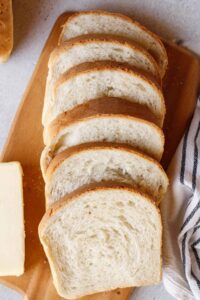
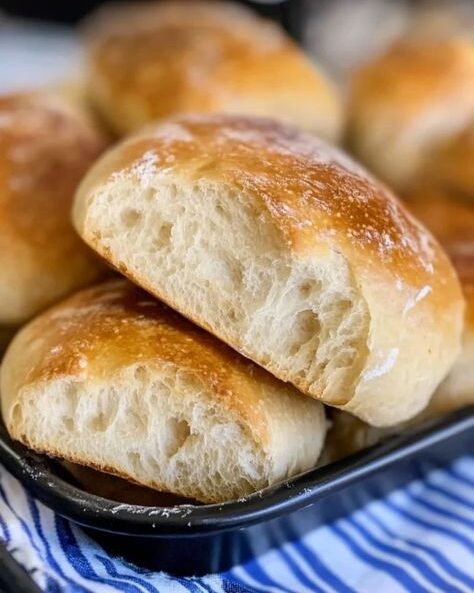
There is something truly comforting about the smell of freshly baked bread filling your kitchen. Sourdough sandwich rolls are one of those homemade recipes that bring happiness from the very first bite. These soft, golden rolls have a light crust and a delicious, slightly tangy flavor that only sourdough can give. The best part is that they are not only tasty but also made from natural fermentation, which makes them easier to digest and more nutritious than regular bread. When you bake your own sourdough rolls, you create something special that no store-bought bread can ever replace.
People love sourdough sandwich rolls for their wonderful texture and flavor. They are soft on the inside and lightly crisp on the outside, which makes them perfect for all kinds of sandwiches. Whether you fill them with grilled chicken, fresh vegetables, or classic egg salad, these rolls hold everything together beautifully without falling apart. The gentle sour taste adds depth and makes every sandwich more interesting. Many people also enjoy making sourdough recipes because the process feels calm and rewarding. Watching the dough rise and transform is a simple joy that brings satisfaction and peace.
There are so many reasons to make sourdough sandwich rolls at home. Some people bake them for health benefits since sourdough is naturally fermented, which helps the body absorb nutrients better. Others love the emotional connection that baking brings, reminding them of family and warm kitchens. You can bake these rolls for a weekend brunch, school lunches, or meal prep for the week. They freeze well and stay fresh longer than most breads, which means you can enjoy homemade sandwiches anytime. Whether you are baking for health, comfort, or flavor, sourdough sandwich rolls always bring happiness to the table.
Ingredients You Will Need
Here is everything you need to make soft and fluffy sourdough sandwich rolls. All measurements are in standard units for accuracy.
-
1 cup active sourdough starter (fed and bubbly)
-
¾ cup warm water (around 90°F or 32°C)
-
2 tablespoons olive oil or melted butter
-
2 tablespoons sugar or honey
-
3 cups bread flour (plus extra for kneading)
-
1 teaspoon salt
-
1 egg (for egg wash, optional)
-
1 tablespoon milk or water (for brushing with egg wash)
Optional toppings
-
Sesame seeds
-
Poppy seeds
-
Oats or coarse salt
These ingredients create about 8 to 10 medium-sized rolls, depending on how large you shape them.
Step by Step Method
Follow these steps carefully, and even if you are a beginner, you will get perfect sourdough rolls every time.
Step 1: Prepare Your Sourdough Starter
Make sure your sourdough starter is active and bubbly before starting. You should feed it 4 to 6 hours before baking so it is at its peak. To test if your starter is ready, drop a small spoonful into water. If it floats, it is active and perfect to use.
Step 2: Mix the Wet Ingredients
In a large mixing bowl, combine your active starter, warm water, olive oil, and sugar or honey. Stir everything until well mixed. The warm water helps activate the starter, and the oil or butter adds softness to the dough.
Step 3: Add the Dry Ingredients
Add your bread flour and salt to the wet mixture. Stir with a spoon or your hands until a rough dough forms. The dough will be sticky at first, but that is normal. Once it comes together, cover it with a damp cloth and let it rest for about 30 minutes. This resting period is called autolyse, and it helps the flour absorb water, making the dough easier to handle later.
Step 4: Knead the Dough
After resting, knead the dough gently for about 8 to 10 minutes. You can do this on a clean surface or in the bowl. Add a little flour only if the dough is too sticky, but try not to add too much, or your rolls will become dry. You want a smooth and slightly elastic dough by the end.
Step 5: First Rise (Bulk Fermentation)
Place the kneaded dough into a lightly oiled bowl, cover it, and let it rise at room temperature for about 4 to 6 hours. The time can vary depending on how warm your kitchen is. During this period, the dough will expand and develop that signature sourdough flavor. You can do one or two gentle stretch-and-folds during the first few hours to build strength in the dough.
Step 6: Shape the Rolls
After the first rise, gently turn the dough onto a floured surface. Divide it into equal portions, around 8 to 10 pieces. Shape each piece into a ball by folding the edges toward the center and rolling it gently under your palm. Place the shaped rolls on a parchment-lined baking tray, leaving some space between each one.
Step 7: Second Rise (Proofing)
Cover the rolls with a damp towel and let them rest again for about 2 to 3 hours, or until they double in size. You can also place them in the refrigerator overnight for a slow fermentation, which deepens the flavor. If you refrigerate them, let them come to room temperature before baking.
Step 8: Prepare for Baking
Preheat your oven to 400°F (200°C). If you want shiny golden rolls, whisk one egg with a tablespoon of milk or water and brush the tops of the rolls gently. You can sprinkle sesame seeds or oats for extra texture.
Step 9: Bake the Rolls
Place the tray in the preheated oven and bake for 20 to 25 minutes until the rolls turn golden brown. The bottoms should sound hollow when tapped. If you prefer a slightly softer crust, you can brush the rolls with melted butter immediately after baking.
Step 10: Cool and Enjoy
Let the rolls cool on a wire rack for at least 20 minutes before slicing. Cutting them too early may release steam and make the inside gummy. Once cooled, slice and fill with your favorite sandwich ingredients.
Why This Recipe Is Special
Sourdough sandwich rolls are not just about taste — they are about health, tradition, and care. The natural fermentation process in sourdough breaks down gluten, which makes it easier to digest. It also increases the availability of minerals and nutrients such as magnesium, iron, and zinc. Unlike store-bought bread, sourdough rolls do not contain preservatives or artificial additives. You are eating something real, pure, and made by hand.
Another reason this recipe stands out is the flavor. The mild tang from the sourdough starter gives these rolls a depth that cannot be achieved with commercial yeast. They taste rich, slightly nutty, and lightly sweet. Their soft interior and crisp crust make them ideal for sandwiches of all kinds — from savory grilled meats to creamy spreads or even breakfast eggs and cheese.
These rolls are also a perfect way to reduce waste if you maintain a sourdough starter at home. You can use your discard or active starter to create something amazing. Plus, the sense of pride that comes from baking your own bread is unmatched. It is wholesome, satisfying, and brings a real sense of accomplishment to your kitchen.
Extra Tips for Better Taste
-
Use Bread Flour
Bread flour gives a chewier texture and helps the rolls rise better. All-purpose flour can also work but may result in softer rolls. -
Add Flavor Mix-ins
You can make your sourdough rolls even more special by adding grated cheese, garlic powder, or herbs like rosemary or thyme to the dough before shaping. -
Control Fermentation Time
Longer fermentation gives stronger flavor. If you like a tangier roll, let the dough ferment a few hours longer or chill it overnight. -
Steam the Oven
Place a small bowl of water in the oven during baking to create steam. This helps the rolls rise beautifully and get a shiny crust. -
Freeze for Later
Once baked and cooled, these rolls can be frozen in an airtight bag for up to three months. Warm them in the oven for 10 minutes before serving to make them taste fresh again. -
Experiment with Whole Grains
You can replace up to one-third of the white flour with whole wheat or rye flour for a nutty, earthy flavor and extra nutrition. -
Shape Creatively
You can shape the dough into long submarine-style rolls for hoagies or round burger-style buns. The choice is yours.
Final Thoughts
Making sourdough sandwich rolls at home is more than just baking bread — it is a small act of love. Each step, from feeding the starter to watching the dough rise, teaches patience and joy. When you finally taste that soft, warm roll fresh from the oven, all your effort feels worth it. These rolls fit perfectly into any meal, whether for breakfast, lunch, or dinner. You can fill them with anything you like, and they always bring a sense of comfort and satisfaction.
What makes this recipe even more wonderful is that it grows with you. As you keep baking, you will learn to understand your starter, your dough, and your oven. You will find your perfect texture and taste. Every batch will feel like a little celebration of homemade goodness. Once you start making your own sourdough sandwich rolls, it is hard to go back to store bread again.
So take out your starter, roll up your sleeves, and begin your sourdough adventure today. Your kitchen will smell amazing, and your sandwiches will never be the same again.
Nutrition Details
| Nutrient | Per Recipe (10 Rolls) | Per Serving (1 Roll) |
|---|---|---|
| Calories | 1750 kcal | 175 kcal |
| Carbohydrates | 330 g | 33 g |
| Protein | 48 g | 4.8 g |
| Fat | 30 g | 3 g |
| Fiber | 8 g | 0.8 g |
| Sugar | 14 g | 1.4 g |
| Sodium | 960 mg | 96 mg |
| Calcium | 60 mg | 6 mg |
| Iron | 9 mg | 0.9 mg |
Values are approximate and may vary depending on the flour and oil used.
Disclaimer
This recipe is meant for general home cooking and enjoyment. Everyone’s body is different, and your results may vary depending on your health, diet, and ingredients. If you have food allergies or specific medical conditions, please check with a qualified health professional before making any changes to your diet. Baking should always be a joyful and safe experience for everyone.